

Cold spots, gurgling noises, and slow warm-up times are all tell-tale signs that your radiators have trapped air. Here's how to spot the problem and fix it yourself.
What Is Radiator Bleeding?
Bleeding a radiator means releasing trapped air from inside it. Air gets into your heating system over time — especially after summer when the heating has been off — and it stops the hot water circulating properly.
5 Signs You Need to Bleed Your Radiators
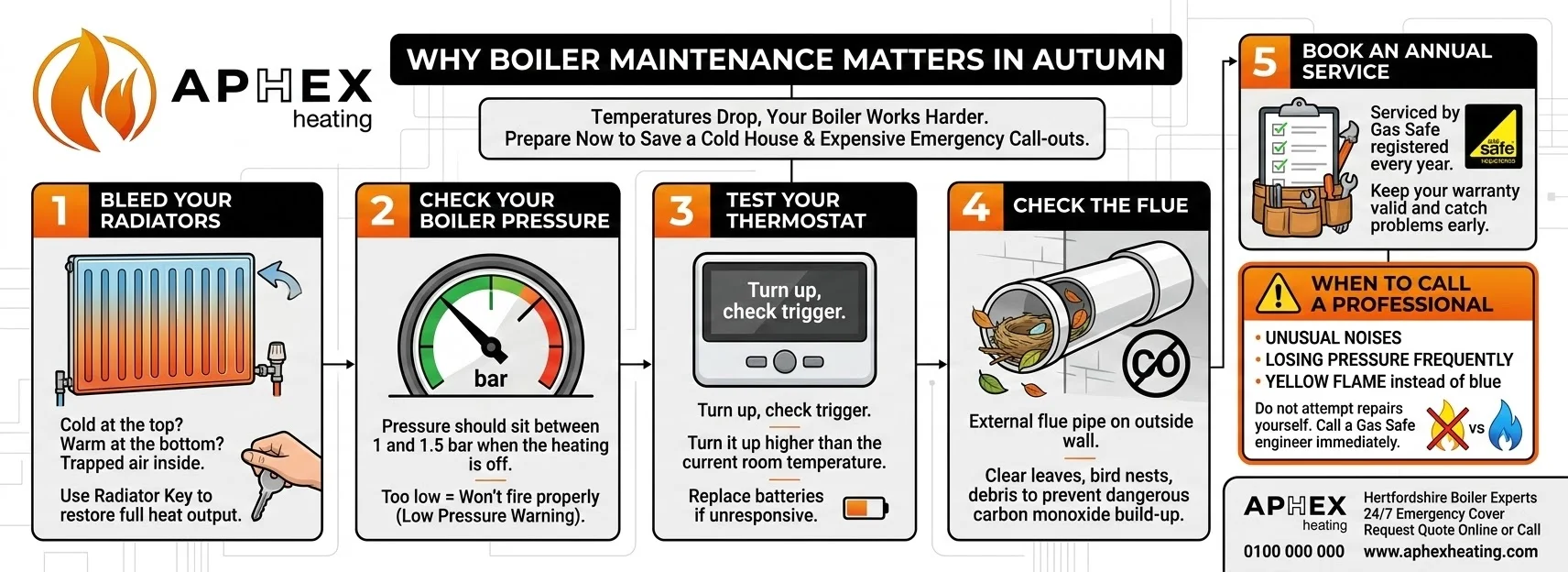
1. Cold at the Top, Warm at the Bottom
This is the classic sign. Hot water rises, but trapped air sits at the top of the radiator and prevents it from warming up fully.
2. Gurgling or Bubbling Noises
If you can hear your radiators making noises when the heating is on, that's air moving through the water.
3. Some Radiators Won't Heat Up at All
A radiator that stays completely cold when the heating is on usually has a significant air lock.
4. Your Heating Takes Ages to Warm Up
If your home seems to take much longer than usual to reach temperature, the system isn't running at full efficiency. Bleeding all radiators can make a noticeable difference.
5. Your Boiler Pressure Drops After Bleeding
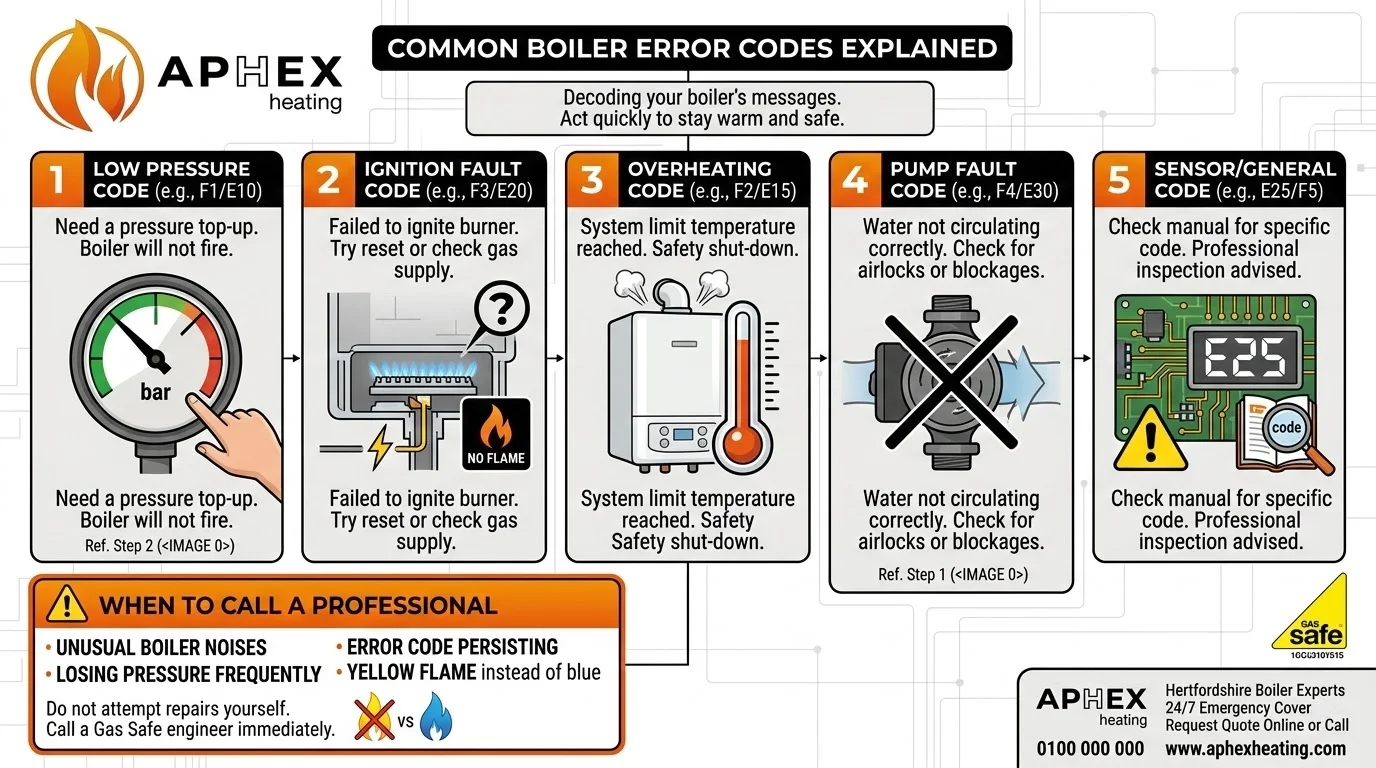
This one is more of a follow-up check. After bleeding, your boiler pressure may drop and need topping up — worth checking.
How to Bleed a Radiator
- Turn your heating on and wait for all radiators to warm up
- Turn the heating off and let it cool for 30 minutes
- Place a cloth under the bleed valve (at the top corner of the radiator)
- Use a radiator key to slowly open the valve anti-clockwise
- Let air hiss out until water starts to drip — then close the valve
- Check boiler pressure and top up if needed
When to Call an Engineer
If your radiators need bleeding every few weeks, or if you notice black sludge coming out with the air, you likely have corrosion inside your system. A power flush from Aphex Heating can clean the system and restore efficiency.
Need help with your heating?
Gas Safe registered heating support covering St Albans, from boiler servicing to planned system installations.